

The forever wardrobe
what is the fashion story of the 2020s

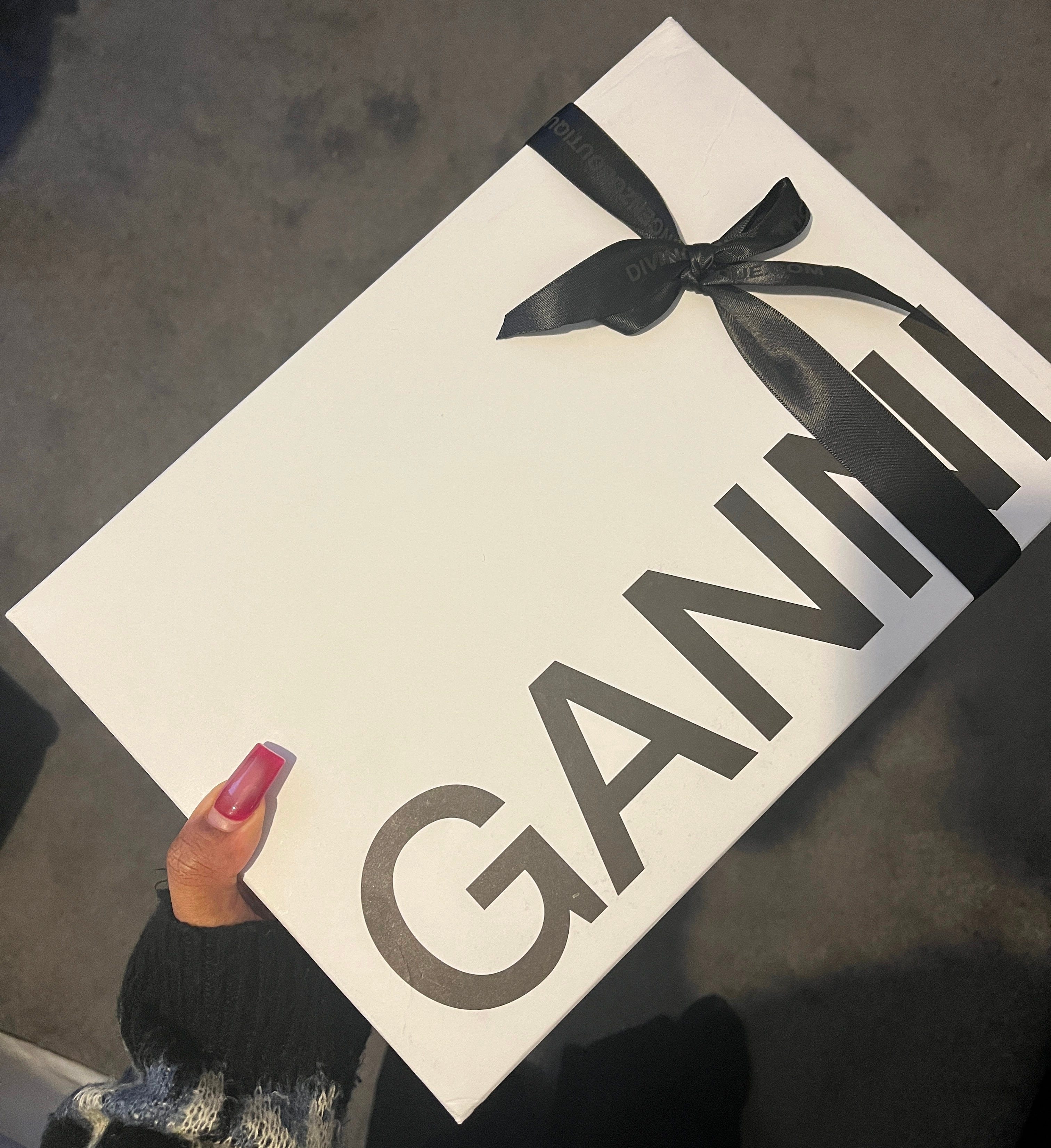
In 2024 I bought the iconic and trendy Ganni buckle flats after passing the SQE (the English version of the bar exam). They had been on my radar for at least a year and I just knew they would be the perfect reward for this great achievement. Fast forward to three years later, I still wear them at every occasion that is appropriate (which for me is absolutely every occasion). I wear them to work, to the club, to coffee dates, to casual lunches, to dressy dinners, and just about anywhere I can get away with. They are undoubtedly my most loved shoe and the wear and tear are barely visible on them. They feel nostalgic to me, a physical representation of my success but also a perfect embodiment of my style. They are a part of me in a way that not many items of clothing can be. They are an integral piece of my current wardrobe, and my forever wardrobe.
Nostalgia ruled 2025, and most of the 2020s so far. The fashion landscape was fascinated with times past and replicating styles from the 70s, 80s and early 2000s. The vintage and secondhand market boomed with people suddenly becoming collectors of iconic runway pieces and iconic collections. Quality became synonymous with secondhand, and style became synonymous with vintage.
It became easy to spot vintage pieces in the wild or on the internet because each decade has certain styles associated with it. We have evidence of what these styles were through runway shows, TV shows, movies, adverts. We have catalogues of information that make references to certain time periods easy to identify - whether it be the bell bottoms of the 70s, or the low-rise jeans of the early 2000s. It almost feels impossible to wear a pair of low-rise jeans without it being assumed you are referencing the early 2000s.
Given our obsession with vintage, and our knack for nostalgia, what will the fashion archives have to show for the 2020s? What styles do we have that distinctly belong to the 2020s? This decade so far has been filled with fleeting micro trends that didn’t stick around long enough to last the test of time. Many of these micro trends have stemmed from references - characters from 2000s TV shows, characters from 90s rom-coms, runway shows from iconic brands in the 80s. But I struggle to think of anything unique that has defined the 2020s so far. My Ganni buckle flats for sure, but what else? I wonder whether the later generations will make any reference to this period in time, and if so what will they be drawn to?

This conversation can’t be had without discussing quality. It is common knowledge that the quality of clothes has drastically declined. The rise of fast fashion giants making clothes with cheaper materials, and some of these practices allegedly permeating into luxury fashion houses, are a big factor as to why many people have flocked to purchasing vintage. Why spend thousands on a new designer item that will break before you can even wear it (like the Miu Miu jacket purchased by Wisdom Kaye) when you can spend the same amount of money on a vintage item that will last longer, be more intentionally designed, and probably just look cooler.
Every fashion girl’s dream is to have a super stylish mother so they can inherit all her well preserved it-girl pieces. Failing this, every fashion girl wants to be the super stylish mother who will hand down all her well-preserved it-girl pieces. So much so that we are carefully curating our forever wardrobe’s in hopes that we have a daughter in the future who can utilise our hard work. I know that my Ganni flats will form a part of my forever wardrobe because so far they have proven to be good quality, but it also has sentimental value for me. It tells a story. I wonder how many pieces we will be able to hand down to our children in the future that will tell the story of the 2020s.
I totally identify as the fashion girl who dreams of being that stylish mom!🙋🏾♀️